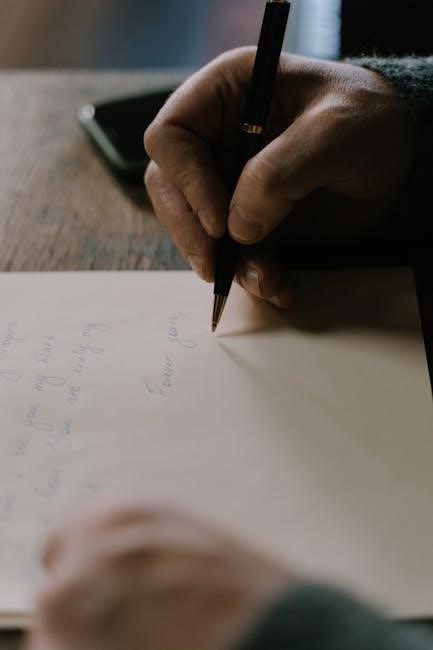
Handwriting transcends simple communication; it’s a personal expression‚ a skill enhanced by tools and practice․ Google Translate aids understanding across languages‚ even deciphering handwritten text and speech in over 200 languages․
The Importance of Legible Handwriting
Legible handwriting remains crucial despite the digital age‚ fostering clearer communication and cognitive benefits․ While tools like Google Translate can decipher text – even handwritten forms – the ability to produce easily readable script is invaluable․
Clear handwriting minimizes misunderstandings in personal notes‚ official documents‚ and everyday interactions․ It demonstrates attention to detail and respect for the recipient․ Furthermore‚ the physical act of handwriting engages different brain regions than typing‚ potentially improving memory and cognitive function․
Even with translation services available‚ relying solely on digital conversion isn’t always practical or secure․ Maintaining legible handwriting ensures direct‚ unambiguous communication‚ especially in situations where technology isn’t readily accessible or privacy is paramount․ It’s a foundational skill that continues to hold significance․
Brief History of Handwriting Styles
Handwriting’s evolution mirrors societal and technological shifts‚ from ancient scripts to modern forms․ Early writing systems‚ like hieroglyphs and cuneiform‚ gradually transitioned into more fluid alphabets․ Roman cursive‚ developed for everyday use‚ influenced many subsequent styles․
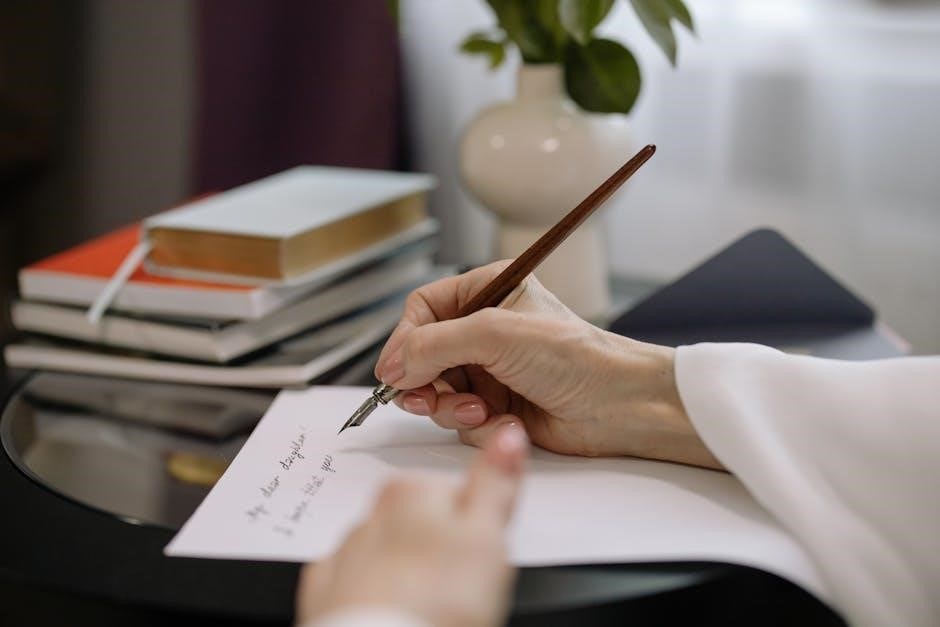
During the Middle Ages‚ monastic scripts‚ such as Carolingian minuscule‚ emphasized clarity and legibility․ The Renaissance saw the rise of italic handwriting‚ known for its elegance and speed․ Copperplate script‚ popular in the 18th and 19th centuries‚ became the standard for formal correspondence․
The 20th century witnessed a decline in formal handwriting instruction‚ leading to more individualized styles․ Today‚ while digital communication dominates‚ understanding the historical roots of handwriting provides context and appreciation for this enduring art form․ Tools like Google Translate now bridge language gaps‚ but handwriting’s history remains rich․
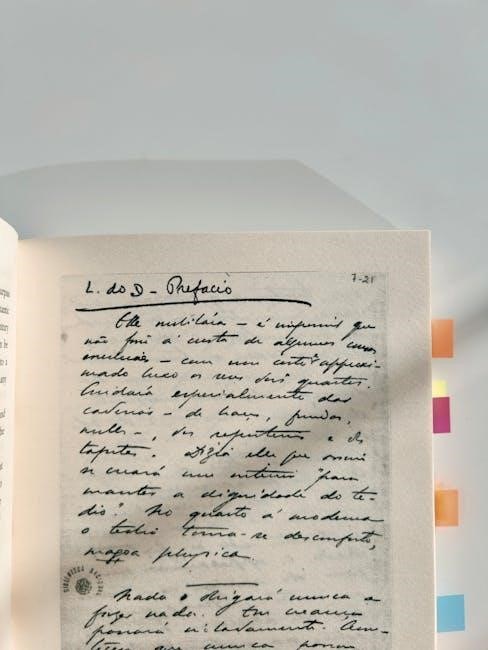
Understanding the Fundamentals
Mastering handwriting requires a solid foundation: proper posture‚ grip‚ tool selection‚ and consistent practice of basic strokes․ Google Translate supports diverse input methods․
Proper Grip and Posture
Achieving a comfortable and effective handwriting grip is paramount․ Avoid a death grip; instead‚ hold your pen or pencil lightly between your thumb and index finger‚ resting it on your middle finger․ Your hand should be relaxed‚ not tense․
Posture plays a crucial role too․ Sit upright with your feet flat on the floor and your forearms supported on the desk․ Maintain a slight forward lean to encourage fluid movement․ Proper positioning minimizes strain and maximizes control․
Experiment with different grips to find what feels most natural for you․ Consider the tripod grip – a common and efficient method․ Remember‚ consistency is key․ A relaxed grip and good posture contribute significantly to legibility and endurance‚ allowing for extended writing sessions without discomfort․ Google Translate‚ while a digital tool‚ highlights the importance of clear input‚ mirroring the need for legible handwriting․
Choosing the Right Writing Tools (Pens‚ Pencils‚ Paper)
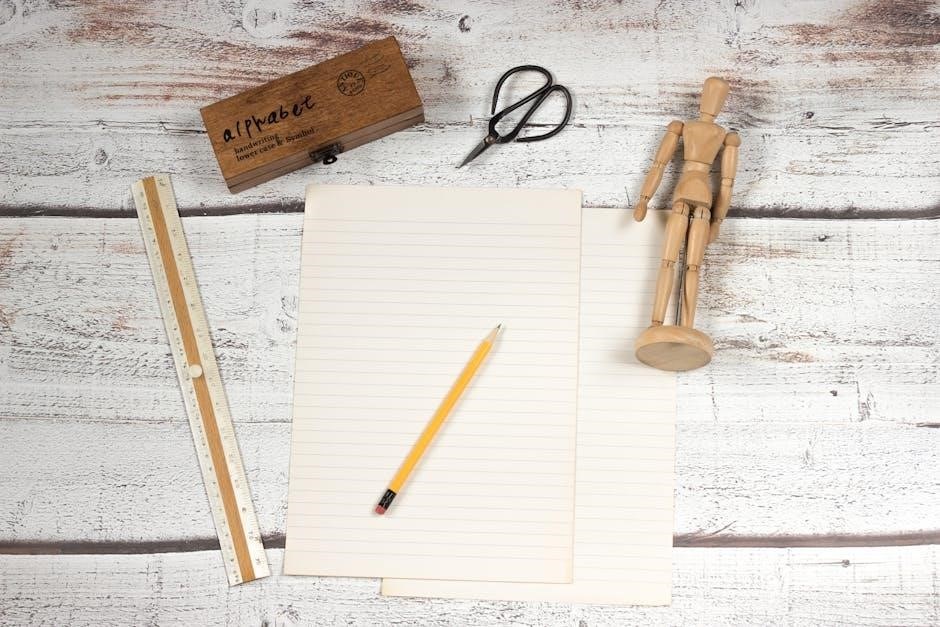
Selecting appropriate tools significantly impacts handwriting quality․ Pens offer varying ink flows and nib sizes; gel pens provide smoothness‚ while ballpoints offer precision․ Pencils‚ ranging from hard to soft leads‚ allow for erasability and shading․
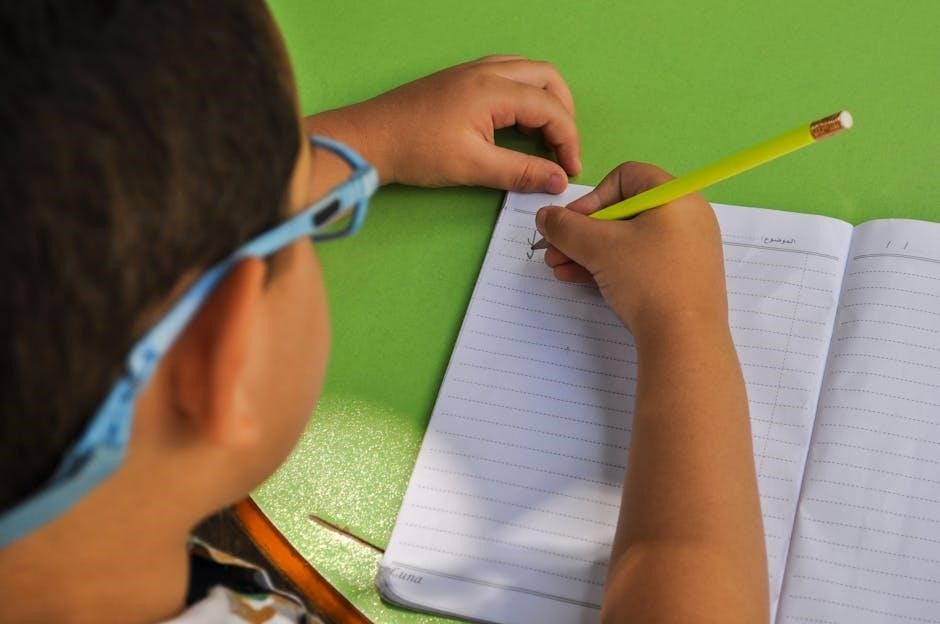
Paper quality matters too․ Smooth paper minimizes feathering‚ while textured paper provides more tactile feedback․ Consider the weight of the paper – heavier paper prevents bleed-through․ Experiment with different combinations to discover your preference․
The ideal tool depends on your style and needs․ Some prefer the consistent line of a fine-point pen‚ while others enjoy the versatility of a pencil․ Just as Google Translate adapts to various languages‚ finding the right tools allows your handwriting to flourish․ Don’t underestimate the impact of a comfortable grip and a suitable writing surface․
Basic Strokes and Shapes
Mastering fundamental strokes is crucial for legible handwriting․ These building blocks – loops‚ curves‚ and straight lines – form the basis of all letters․ Practice consistent pressure and direction for uniform results․ Begin with simple exercises‚ focusing on smooth transitions between strokes․
Shapes like circles‚ ovals‚ and triangles are essential․ Repeatedly practice these forms to develop muscle memory and control․ Pay attention to proportion and symmetry․ Just as Google Translate breaks down complex text‚ deconstructing handwriting into basic elements simplifies the learning process․
Consistent practice of these foundational elements will dramatically improve overall handwriting clarity and flow․ Remember‚ patience and repetition are key․ Focus on quality over speed initially‚ gradually increasing pace as proficiency grows․
Common Handwriting Styles
Distinct styles—cursive‚ print‚ and hybrid—offer varied aesthetics and functionality․ Google Translate handles diverse scripts‚ mirroring handwriting’s stylistic range and global communication needs․
Cursive Handwriting: A Detailed Look
Cursive‚ characterized by flowing connections between letters‚ historically served practical purposes – speed and legibility․ Its elegant loops and flourishes‚ however‚ also fostered a sense of personal style․ Mastering cursive involves understanding letter connections‚ slant consistency‚ and rhythmic flow․
Historically‚ cursive evolved from earlier handwriting forms‚ adapting to the needs of efficient communication․ While its prevalence in everyday writing has decreased with the rise of digital technologies‚ cursive remains valued for its aesthetic qualities and its role in historical document preservation․
Modern approaches to learning cursive often emphasize foundational strokes and gradual progression․ Resources like online tools and practice sheets can aid in developing muscle memory and refining technique․ Interestingly‚ Google Translate’s capabilities extend to recognizing and processing handwritten text‚ showcasing the enduring relevance of cursive in a digital world‚ even if it’s for translation purposes․
Print Handwriting: Techniques for Clarity
Print handwriting‚ distinguished by its discrete‚ unconnected letters‚ prioritizes legibility and uniformity․ Achieving clarity in print relies on consistent letter size‚ spacing‚ and form․ Unlike cursive’s flowing style‚ print demands precision in each individual character․ Proper technique involves maintaining a consistent slant (or lack thereof) and ensuring adequate space between letters and words․
Effective print handwriting is crucial for tasks requiring neatness and easy readability‚ such as note-taking or filling out forms․ While seemingly simpler than cursive‚ mastering print requires deliberate practice to overcome inconsistencies․
Interestingly‚ even with the prevalence of digital communication‚ the ability to produce clear print handwriting remains valuable․ Google Translate’s ability to process handwritten input‚ including print‚ demonstrates the continued importance of this skill in a technologically advanced world‚ facilitating translation and accessibility․
Hybrid Styles: Combining Cursive and Print
Hybrid handwriting styles represent a practical fusion of cursive’s fluidity and print’s clarity․ Many individuals naturally develop a blend‚ utilizing cursive for connecting letters within words for speed‚ while employing printed forms for isolated letters or emphasis․ This approach aims to balance efficiency with legibility‚ adapting to personal preference and writing context․
A common hybrid technique involves using cursive lowercase letters but printing uppercase letters․ Another variation incorporates fully connected cursive for frequently written words‚ switching to print for less common or complex terms․ This flexibility allows for a personalized style that maximizes both speed and readability․
The adaptability of handwriting is further highlighted by tools like Google Translate‚ which can interpret various handwriting styles‚ including these hybrid forms‚ showcasing the evolving nature of written communication and its continued relevance․
Improving Your Handwriting
Consistent practice‚ focused exercises‚ and error analysis are key to handwriting improvement․ Tools like Google Translate demonstrate the importance of legible script for accurate interpretation․
Handwriting Exercises for Muscle Memory
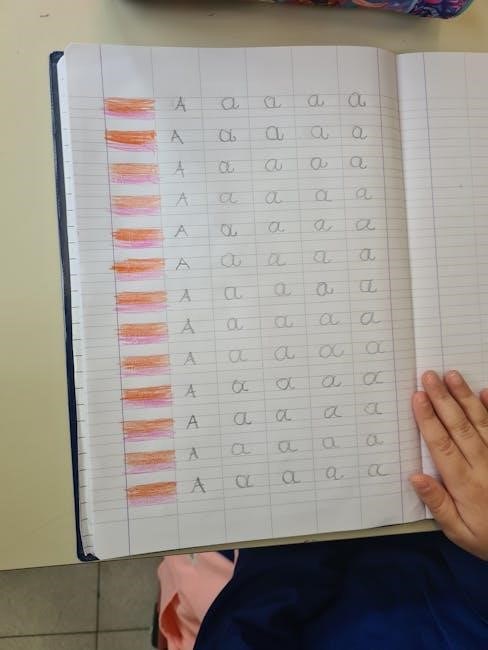
Developing muscle memory is fundamental to improving handwriting fluency and consistency․ Begin with basic stroke drills – repeated lines‚ circles‚ and loops – focusing on even pressure and consistent form․ These exercises build the foundational movements required for letter formation․
Next‚ practice individual letters‚ both uppercase and lowercase‚ isolating areas where you struggle․ Dedicate time to repeatedly writing these letters‚ consciously correcting any inconsistencies․ Utilize lined paper initially to guide your letter height and spacing․
Progress to writing simple words and then short sentences‚ maintaining focus on letter formation and spacing․ Consider incorporating tracing exercises‚ copying well-formed handwriting samples to internalize proper technique․ Remember‚ consistency is paramount; short‚ regular practice sessions are more effective than infrequent‚ lengthy ones․ Google Translate’s ability to process handwriting highlights the need for clarity‚ reinforcing the value of dedicated practice․
Analyzing and Correcting Common Errors
Effective handwriting improvement requires identifying and addressing individual errors․ Begin by carefully reviewing your writing‚ noting recurring issues like inconsistent letter size‚ uneven spacing‚ or illegible letter formations․ Are certain letters consistently malformed? Is your slant uniform‚ or does it vary?
Compare your handwriting to established models‚ identifying discrepancies; Focus on one error at a time‚ dedicating practice sessions to specifically correct it․ Slow down your writing speed initially‚ prioritizing accuracy over speed․
Utilize graph paper to assess letter size and spacing․ Pay attention to your grip and posture‚ ensuring they are conducive to comfortable and controlled writing․ Remember‚ tools like Google Translate demonstrate the importance of legibility; strive for clarity in every stroke․ Consistent self-assessment and targeted practice are key to overcoming common handwriting challenges․
Developing Consistency in Letter Formation
Achieving consistent letter formation is paramount for legible and aesthetically pleasing handwriting․ This involves establishing a uniform shape‚ size‚ and slant for each letter․ Practice each letter repeatedly‚ focusing on maintaining the same form every time․ Utilize tracing exercises to reinforce muscle memory and internalize the correct movements․
Break down complex letters into basic strokes‚ mastering each component before combining them․ Consider using guidelines – both horizontal and vertical – to ensure consistent height and alignment․ Regularly compare your letterforms to a chosen model‚ identifying and correcting any deviations․
Remember that tools like Google Translate rely on clear character recognition; consistent letter shapes are crucial․ Slow‚ deliberate practice‚ coupled with mindful self-correction‚ will gradually build consistency and improve the overall quality of your handwriting․
Handwriting for Specific Needs
Adaptations exist for diverse learners‚ including children and adults‚ and those with dysgraphia․ Google Translate supports various input methods‚ mirroring handwriting’s adaptability for all․
Handwriting for Children: Early Development
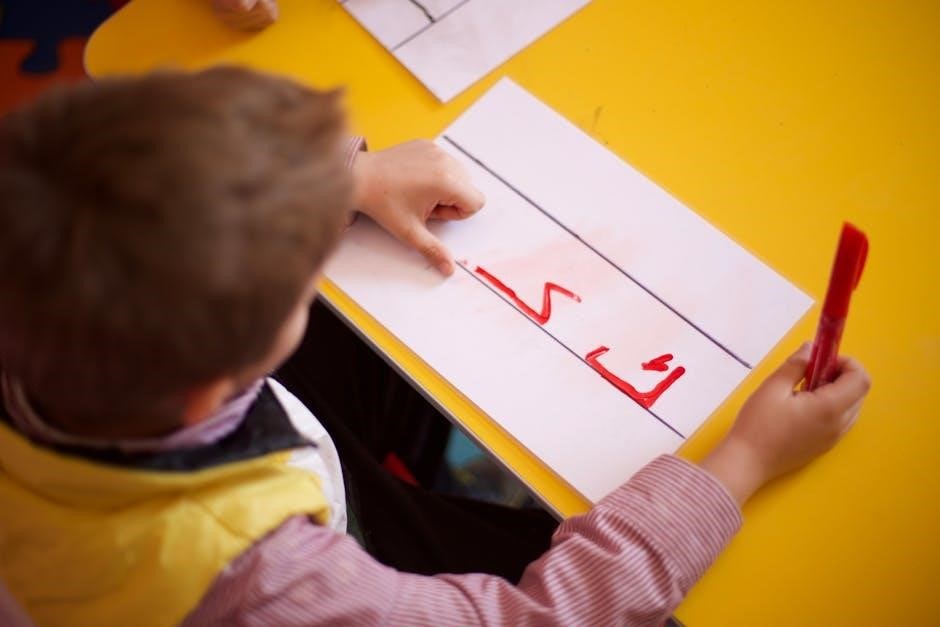
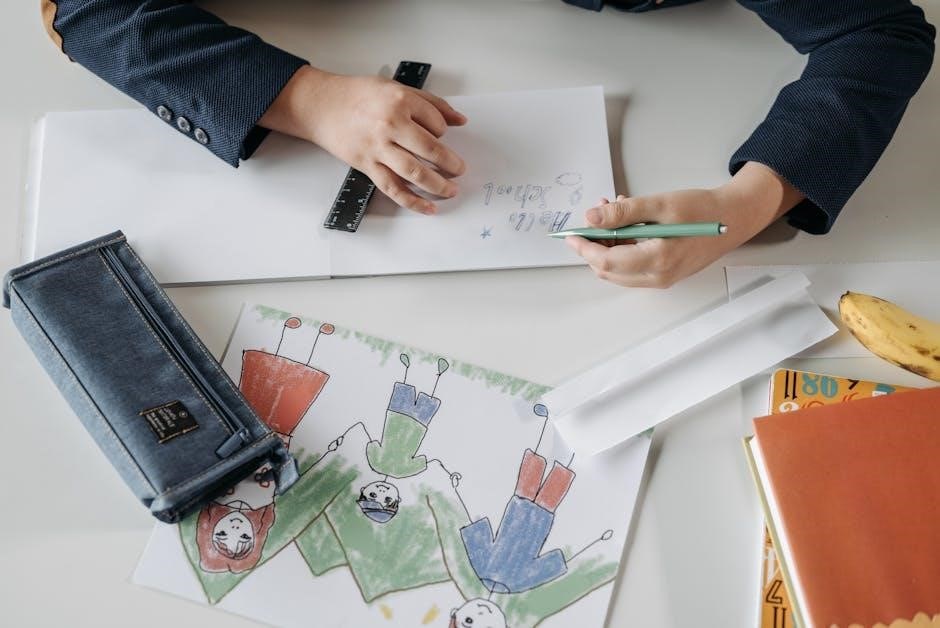
Early handwriting development is a crucial stage‚ building foundational skills for literacy and cognitive growth․ It begins long before formal instruction‚ with scribbling and pre-writing strokes that develop fine motor skills and hand-eye coordination․ Encouraging these early explorations with various tools – crayons‚ markers‚ even fingers in sand – is vital․
As children progress‚ focus shifts to letter formation‚ starting with recognizing and practicing individual letters․ A multi-sensory approach‚ incorporating tactile experiences like tracing letters in sand or using playdough‚ can be highly effective․ Patience and positive reinforcement are key; avoid pressure and celebrate effort over perfection․
Google Translate’s ability to recognize handwritten input demonstrates the universality of handwriting as a communication form‚ even in its earliest stages․ Supporting a child’s handwriting journey involves fostering a love for writing and building confidence in their abilities‚ recognizing that each child develops at their own pace․ Remember‚ it’s about the process‚ not just the product․
Handwriting for Adults: Remediation and Improvement
For adults seeking to improve or remediate handwriting‚ a focused and patient approach is essential․ Often‚ issues stem from ingrained habits developed over time․ Identifying specific areas for improvement – letter formation‚ spacing‚ slant‚ or pressure – is the first step․ Targeted exercises‚ focusing on these areas‚ can yield significant results․
Revisiting the fundamentals of proper grip and posture is also crucial․ Many adults unknowingly hold pens incorrectly‚ leading to fatigue and poor legibility․ Consistent practice‚ even for short periods daily‚ builds muscle memory and reinforces correct technique․ Utilizing lined paper and slowing down the writing pace can enhance control․
Tools like Google Translate‚ capable of interpreting handwritten text‚ highlight the importance of clear communication․ While technology assists‚ refining handwriting remains valuable․ Remember‚ improvement is achievable with dedication and a willingness to relearn foundational skills‚ fostering both confidence and clarity․
Handwriting and Dysgraphia: Strategies and Support
Dysgraphia presents unique challenges to handwriting‚ impacting letter formation‚ organization‚ and overall legibility․ It’s crucial to understand that dysgraphia isn’t simply “bad handwriting‚” but a neurological difference affecting writing abilities․ Support strategies must be individualized and multi-faceted․
Assistive technologies‚ like speech-to-text software‚ can bypass handwriting difficulties‚ allowing individuals to express thoughts effectively; However‚ targeted handwriting interventions can still be beneficial․ Occupational therapy plays a vital role‚ focusing on strengthening fine motor skills and developing compensatory strategies․
Modifications such as using graph paper‚ pencil grips‚ and adapted writing positions can improve control and comfort․ Breaking down tasks into smaller steps and providing positive reinforcement are essential․ Resources like Google Translate‚ while not a direct solution‚ demonstrate the broader accessibility tools available‚ emphasizing communication over perfect penmanship․
Advanced Techniques & Resources
Calligraphy elevates handwriting into an art form‚ while online tools and Google Translate offer practice and language support for diverse writing needs․
Calligraphy as an Extension of Handwriting
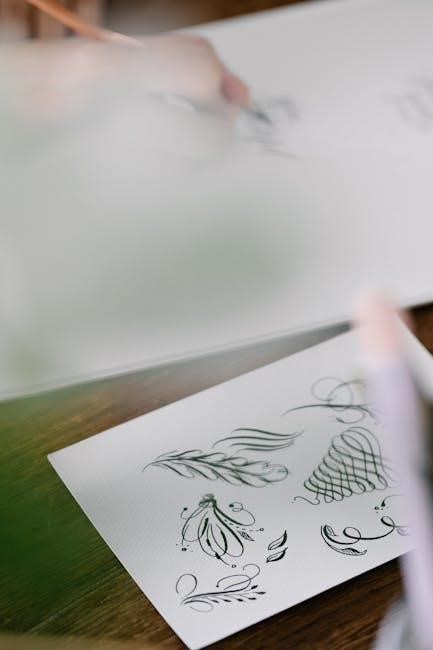
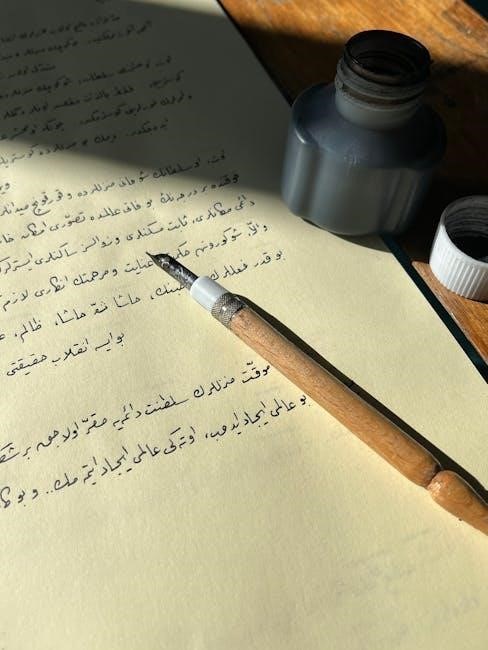
Calligraphy represents a beautiful and sophisticated evolution of fundamental handwriting skills․ It’s not merely about elegant lettering‚ but a deep exploration of form‚ rhythm‚ and artistic expression built upon the foundations of proper grip‚ posture‚ and stroke control․ Where handwriting prioritizes legibility and speed‚ calligraphy emphasizes aesthetic beauty and deliberate execution․
This art form utilizes specialized tools – broad-edged pens‚ brushes‚ and various inks – to create dramatic contrasts in line weight and flourishing details․ Learning calligraphy often involves studying historical scripts‚ such as Copperplate‚ Spencerian‚ or Gothic‚ each possessing unique characteristics and techniques․
While seemingly distinct‚ calligraphy directly benefits from strong handwriting fundamentals․ A solid understanding of basic strokes and letterforms provides a crucial base for mastering the intricacies of calligraphic styles․ Resources like online tutorials and workshops‚ alongside Google Translate’s ability to recognize diverse scripts‚ can further enhance the learning process‚ bridging the gap between everyday handwriting and artistic lettering․
Online Tools and Resources for Handwriting Practice
The digital age offers a wealth of resources to supplement traditional handwriting practice․ Numerous websites and applications provide printable worksheets‚ guided lessons‚ and interactive exercises designed to improve letter formation‚ consistency‚ and overall legibility․ These tools cater to all skill levels‚ from beginners to those seeking refinement․
Furthermore‚ platforms like Google Translate‚ while primarily a translation service‚ demonstrate the increasing integration of handwriting recognition technology․ This can be utilized indirectly for practice – comparing your handwriting to digitally rendered fonts․ Several websites offer customizable handwriting practice templates‚ allowing users to focus on specific letters or problem areas․
Online communities and forums dedicated to penmanship provide valuable feedback and support․ Exploring these resources‚ alongside utilizing translation tools to understand diverse scripts‚ can significantly accelerate your handwriting improvement journey‚ fostering a consistent and personalized style․