
Choosing the right Corral boot size is essential for comfort and durability. Accurate foot measurements prevent blisters and ensure a proper fit. Many buyers face challenges due to varying width options and limited online guidance. This guide helps you navigate sizing confidently.Enjoy fit.and lasting comfort.!!
Importance of Accurate Foot Measurement
Accurate foot measurement is the cornerstone of a comfortable‚ supportive boot experience‚ especially with premium brands like Corral. A precise fit reduces pressure points‚ prevents blisters‚ and ensures that the boot’s structural integrity is maintained over time. When you measure correctly‚ the boot’s shaft‚ sole‚ and toe box align with your natural foot shape‚ allowing for optimal weight distribution and stability during both everyday wear and demanding activities. By aligning the boot’s internal geometry with your foot’s natural arch and toe spread‚ you reduce calluses‚ corns‚ and other foot ailments from ill‑fitting footwear. Proper sizing enhances proprioception‚ letting you sense ground contact more accurately‚ essential for balance on uneven terrain. A correct fit also limits excess moisture buildup‚ preventing fungal infections and keeping leather or synthetic materials breathable. Investing time in accurate measurement extends the boot’s lifespan‚ as well‑fitted boots endure less wear on seams and stitching‚ preserving craftsmanship for years.
It saves time and money!!!!!!!
Common Sizing Challenges
Many buyers face sizing pitfalls when choosing Corral boots. A common issue is the mismatch between the metric measurements on the official size chart and the actual foot length‚ especially for feet between standard increments. Corral leather can stretch slightly after a few wears‚ altering the fit over time. The default width is medium‚ which may feel tight for those with broader feet or a wide toe box. Feet often lack sufficient mid‑foot support‚ leading to discomfort during wear. Heel height variations also play a role; a higher heel can compress the ball of the foot‚ making a size that feels correct at the ankle feel snug at the toes. Seasonal swelling can push a boot toward a snug fit in warmer months. Shopping removes feedback of trying on a boot‚ so misreading the size chart or misinterpreting foot length can result in a purchase that requires a return or exchange. To mitigate these challenges‚ many recommend measuring feet twice—once in the morning and once in the evening—to account for swelling. Using a foot‑measuring tape or a dedicated shoe sizing tool can improve accuracy. Some retailers provide a width chart or suggest ordering a half‑size larger for feet or wide‑foot customers. Reading customer reviews that mention fit issues can reveal whether a particular style runs small or large. Finally‚ taking advantage of shipping and return policies reduces the risk of a misfit‚ allowing customers to experiment with different sizes until they find the optimal match. By staying aware of these common sizing challenges‚ buyers can navigate the selection process and enjoy the benefits of a Corral boot.

The Official Corral Boot Size Chart
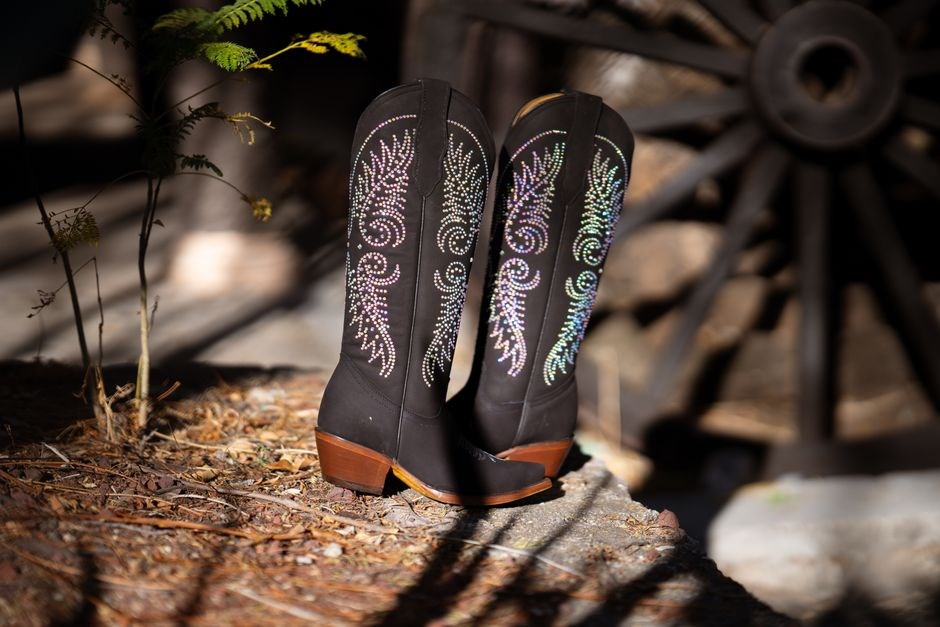
Corral’s official size chart lists US‚ UK‚ and metric lengths. For example‚ a US 9 (UK 8) equals 27.3 cm. Sizes range from 6 to 12‚ with half‑sizes available. Use the chart to match your foot length accurately before ordering. Refer to online chart for precise measurements.
Metric Measurements (cm)
Corral boots are sized using precise metric foot length measurements‚ ensuring a snug fit for a wide range of foot shapes. The official chart lists foot length in centimeters for each US‚ UK‚ and EU size. For example‚ a US 7 (UK 6) corresponds to 26.5 cm‚ while a US 9 (UK 8) matches 27.3 cm. The chart covers sizes from 24.0 cm (US 5) up to 29.0 cm (US 12)‚ including half‑sizes in 0.5 cm increments. When measuring‚ place your foot on a flat surface‚ align the heel with the wall‚ and record the longest point from heel to toe. Add 0.5 cm to account for shoe width and comfort‚ then consult the chart to find the nearest match. If your measurement falls between two sizes‚ choose the larger size for a relaxed fit or the smaller for a tighter fit‚ depending on your preference. For high‑arch or wide‑foot customers‚ consider the width options available in Corral’s lineup‚ as many styles offer a wide (W) or narrow (N) version. Remember that Corral boots are made from premium leather and rubber‚ which can stretch slightly over time‚ so a half‑size up can provide a better long‑term fit. Always consult the official size chart before purchasing and keep a record of your measurements for future reference.

US and UK Size Equivalents
Corral boots use a standardized conversion between US and UK sizing to help customers find the right fit. The official chart shows that a US 6.5 equals a UK 5.5‚ a US 7 equals a UK 6‚ a US 7.5 equals a UK 6.5‚ a US 8 equals a UK 7‚ a US 8.5 equals a UK 7.5‚ a US 9 equals a UK 8‚ a US 9.5 equals a UK 8.5‚ a US 10 equals a UK 9‚ a US 10.5 equals a UK 9.5‚ a US 11 equals a UK 10‚ a US 11.5 equals a UK 10.5‚ a US 12 equals a UK 11‚ a US 12.5 equals a UK 11.5‚ a US 13 equals a UK 12‚ a US 13.5 equals a UK 12.5‚ a US 14 equals a UK 13‚ a US 14.5 equals a UK 13.5‚ a US 15 equals a UK 14. The conversion remains consistent across all Corral boot styles‚ whether they are classic leather‚ rugged work boots‚ or stylish fashion pieces. When ordering online‚ simply enter your US size and the corresponding UK size will be displayed automatically. If you are between sizes‚ it is recommended to choose the larger US size for a more comfortable fit‚ especially if you prefer a slightly looser boot for walking or riding. For customers who are used to European sizing‚ note that a US 9 is roughly equivalent to a 42 EU‚ a US 10 to a 43 EU‚ and a US 11 to a 44 EU. By using this conversion chart‚ you can confidently select the correct size‚ reducing the chance of returns and ensuring that your Corral boots provide the support and style you expect. Always double‑check the chart before finalizing your purchase‚ as small differences in width or style may affect the fit. If you are a left‑foot dominant rider‚ consider ordering a slightly larger size for better balance. Additionally‚ Corral offers a 30‑day return policy for size issues‚ so you can test the fit in real life. When comparing sizes‚ remember that Corral boots are designed with a slightly narrower fit than some other brands‚ so a half‑size up can provide a more comfortable feel. The brand’s quality leather allows for a natural stretch after a few wears‚ but initial sizing should be accurate to avoid discomfort. If you have a wide foot‚ choose the wide (W) version; if narrow‚ choose narrow (N). Happy shopping!
How to Measure Your Foot for Corral Boots
Stand on a white sheet‚ trace foot‚ measure longest distance from heel to toe‚ add 0.5cm for boot clearance. Convert to inches‚ then match to Corral chart. Repeat for both feet; choose larger size. Clean‚ dry‚ and remeasure for accuracy. Measure twice‚ fit.!
Step-by-Step Measurement Process
Step 1: Prepare a clean‚ flat surface. Place a white sheet of paper on the floor and stand on it with your full weight distributed evenly. Ensure the paper is large enough to capture the entire foot outline‚ including toes and heel. Step 2: Hold a pencil or pen perpendicular to the paper‚ and trace the outline of your foot. Keep the pencil steady and avoid slipping‚ as any distortion will affect the final measurement. Step 3: After tracing‚ carefully remove the paper and lay it flat on a table. Use a ruler or a measuring tape to measure the longest distance from the heel to the tip of the longest toe. Record this measurement in centimeters. Step 4: Add an additional 0.5 cm to the measured length to account for boot clearance and ensure a comfortable fit inside the boot. Step 5: Convert the final centimeter measurement to inches by dividing by 2.54; Round up to the nearest quarter inch if necessary. Step 6: Compare the resulting inch measurement to the official Corral boot size chart‚ which lists US‚ UK‚ and metric sizes; Select the size that matches or slightly exceeds your measurement to guarantee a snug yet comfortable fit. Step 7: Repeat the entire process for the other foot‚ as one foot is often slightly larger. Always choose the larger measurement when selecting your boot size. Step 8: If possible‚ try on the boots with the same type of socks you plan to wear. This final check ensures the boots accommodate your foot comfortably without excessive pressure or gaps; By following these steps meticulously‚ you can confidently choose the correct Corral boot size‚ reducing the risk of discomfort or the need for returns. Additionally‚ consider the width of your foot. If you have a narrow or wide foot‚ consult the width guidelines provided by Corral to ensure the boot’s width aligns with your foot shape. For high‑arch feet‚ look for boots with a supportive midsole. These adjustments help maintain foot health and prevent fatigue during long wear. Remember to check the return policy before finalizing your purchase. Corral offers a 30‑day return window for unused‚ unworn boots. Keep the original packaging and tags intact to facilitate a smooth exchange process. By adhering to these guidelines‚ you can enjoy a comfortable fit and peace of mind with your new Corral boots.
Tips for Accurate Results
Measure in the late afternoon or evening when feet are slightly swollen; this gives a conservative size. Wear the socks you’ll use with the boots—thick or thin socks change width and length by millimeters. Use a calibrated tape showing metric and imperial units; avoid only-inch tapes to prevent rounding errors. Trace the foot on a white sheet‚ double-check the outline‚ and record the longest distance from heel to the tip of the longest toe. Add 0.5 cm (or 0.2 in) for clearance. Compare the adjusted measurement to the official Corral size chart‚ noting US‚ UK‚ and metric equivalents. If feet differ by more than a quarter inch‚ choose the larger size. Try the boots on with your typical socks and walk a few steps; they should feel snug but not constricting‚ with a small amount of give at the toe box. If boots feel tight at the heel‚ consider a half-size up; if loose at the toe‚ a half-size down may help. Corral boots stretch over time; a slightly tighter fit initially can become comfortable after a few wears. Double-check width by comparing foot’s width to boot’s widest point; mismatches can cause blisters. Keep a record of your measurement and chosen size for future reference‚ especially if you plan to buy more pairs or if your foot shape changes. After measuring‚ test the boot’s fit by walking a short distance; a proper fit should feel secure without pinching or excessive looseness. Repeat the measurement twice and average the readings. If between sizes‚ choose the larger for comfort. Remember to allow a break‑in period for comfort!!!!!!!

Sizing Guidelines for Different Foot Widths
Narrow feet: choose a size up; medium: standard; wide: consider a half‑size up or width‑adjusted model. High arches may need a snug fit at the heel; test by walking. Always compare your foot width to boot’s widest point. Adjust for comfort‚ not just length. Use a foot gauge to confirm width; remember that boots may stretch slightly after wear‚ so a snug start is fine. Measure foot breadth at the widest point for width now.
Narrow‚ Medium‚ and Wide Foot Guidance
When selecting a Corral boot‚ foot width plays a pivotal role in achieving a comfortable fit. Narrow feet often feel cramped in standard widths; medium widths suit most users; wide feet may require additional room. For narrow feet‚ consider a half‑size increase or a model labeled “narrow.” This adjustment allows the toe box to expand slightly‚ reducing pressure during long walks. Medium‑width users can typically select the size indicated by their foot length‚ trusting the brand’s standard width. Wide‑foot wearers should opt for a half‑size up or a “wide” designation if available. This extra width accommodates the ball of the foot‚ preventing rubbing and blisters. Always compare the foot’s widest point—usually just behind the toes to the boot’s corresponding width. If the boot’s width is narrower than your foot’s breadth‚ the shoe will feel tight even if the length matches. Conversely‚ a boot that is too wide may feel unstable. For best results‚ try on boots later in the day when your feet are slightly swollen‚ and walk around the store to gauge real‑world fit. If the boot feels snug at the heel but loose at the toes‚ it may still be suitable; the leather will stretch over time. Remember that leather boots soften with wear‚ so a slightly tighter fit initially can become more comfortable. Always ensure the boot’s lacing or closure system can be adjusted to accommodate width variations. By following these width‑specific guidelines‚ you can confidently choose a Corral boot that balances support‚ comfort‚ and style for your unique foot shape.
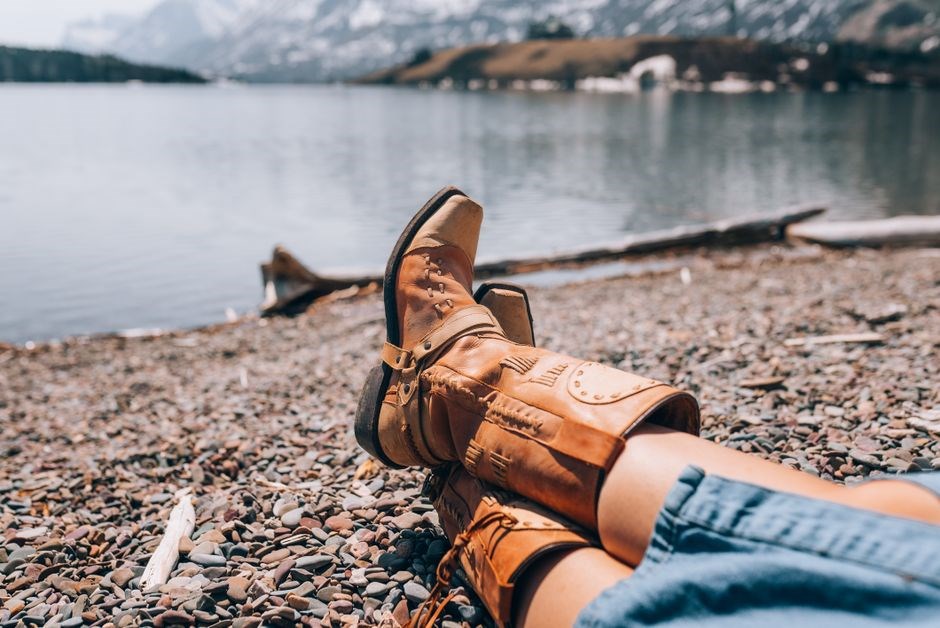
Enjoy your boots and ride confidently.
Adjustments for High-Arch Feet
High‑arch feet require boots that offer ample arch support and a stable base. Corral boots feature a midsole and a leather upper that can flex to accommodate the natural arch‚ but some models may still feel stiff for those with pronounced arches. To improve fit‚ start by selecting a size that matches your foot length‚ then use the following adjustments. First‚ consider a half‑size increase if your arch height causes the boot to feel tight at the top. This extra room allows the leather to stretch without compromising the boot’s structural integrity. Second‚ adjust the lacing or hook‑and‑loop closure to create a snug but not restrictive fit around the midfoot. Tightening the lacing just below the arch can help lock the foot in place‚ reducing motion that leads to blisters. Third‚ add a supportive insole or custom orthotic designed for high arches. Many Corral models accept aftermarket insoles‚ and a cushioned insert can distribute pressure evenly across the foot. Fourth‚ ensure the boot’s heel counter is firm. A weak heel counter can cause the foot to slide forward‚ especially on high‑arch feet. If the heel counter feels loose‚ consider a heel grip insert or a thicker insole to increase friction. Finally‚ break in the boots gradually. Wear them for short periods during the first week‚ gradually increasing wear time. This allows the leather to mold to the arch shape while maintaining comfort. By combining size adjustments‚ lacing techniques‚ supportive insoles‚ and gradual break‑in‚ high‑arch wearers can enjoy the rugged durability of Corral boots without sacrificing comfort.
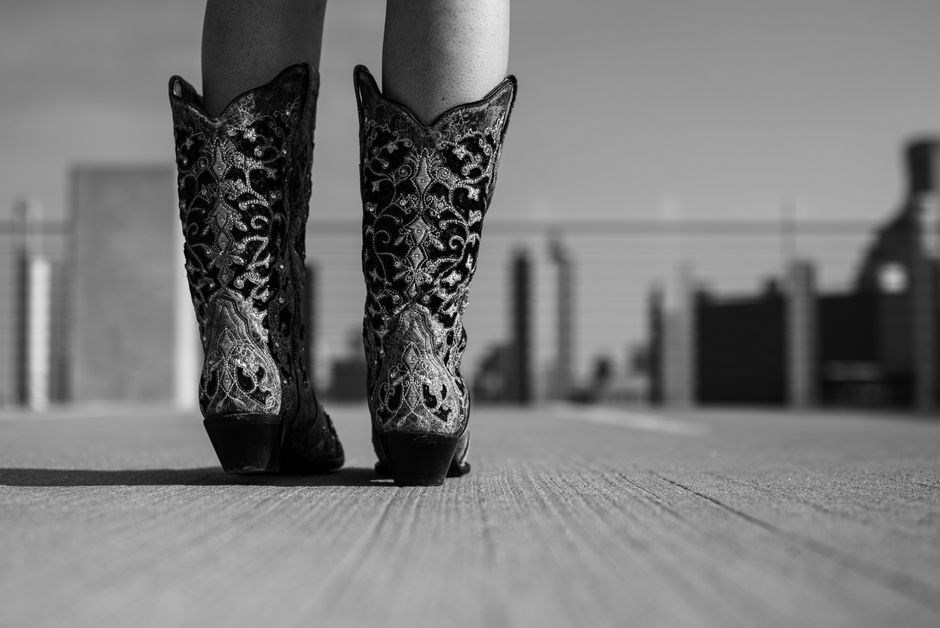
Return and Exchange Policies
Customers may return or exchange Corral boots within 30 days of purchase‚ provided items are unworn‚ unwashed and original packaging. Return shipping is free for defective or incorrect items; otherwise‚ the buyer covers the cost. Exchanges follow the same time frame now.
Time Frame for Returns
Customers may return Corral boots within 30 days of delivery. The 30‑day window starts when the package arrives‚ not the order date. Returns after this period are accepted only if the boots are defective or the wrong size was shipped. To return‚ contact customer service within 30 days to receive a return authorization and instructions. The boots must be shipped back in original packaging‚ with all tags and accessories intact. Shipping costs are covered by the company only for defective or incorrectly sized items; otherwise‚ the customer pays. Once received and inspected‚ a refund will be issued to the original payment method within 7 to 10 business days. The company recommends using a trackable service to ensure safe arrival. The company reviews each case and may grant an extension if the delay is carrier‑related. All returns must be processed within the 30‑day window to qualify for a full refund or exchange. Failure to comply may result in a partial refund or no refund. The 30‑day return policy reflects the company’s commitment to customer satisfaction. For exchanges‚ the same 30‑day rule applies‚ and the new pair will be dispatched after the original pair is confirmed received. Keep the original receipt or order confirmation for reference. The 30‑day window applies regardless of payment method‚ including credit cards‚ debit cards‚ or digital wallets. Returns made after 30 days are considered final and accepted only if the boots are damaged upon arrival. The company reserves the right to refuse returns that do not meet conditions. All communications should reference the order number to expedite processing. and comfort. Always.
Condition Requirements for Exchanges
The company will provide a label for sizing errors‚ but the customer must cover the cost for exchanges requested. Once the new pair is dispatched‚ the customer will receive a tracking number and an estimated delivery date. Ensures parties receive a satisfactory outcome while quality brand integrity. !Customers who wish to exchange their Corral boots are encouraged to initiate the process promptly to avoid any inconvenience. The exchange is processed within a short turnaround time‚ ensuring that the new pair arrives before the original pair is returned. All exchanges are handled with care‚ and the company strives to maintain the highest standards of quality and customer service. The exchange policy is designed to be transparent and user-friendly‚ providing clear instructions and support throughout the entire procedure. By following the straightforward steps outlined above‚ customers can rest assured that their exchange will be completed efficiently and satisfactorily. The company remains committed to delivering reliable and comfortable footwear‚ and it values the trust that customers place in its products. If any issues arise during the exchange‚ the customer support team is ready to assist and resolve the matter promptly. The goal is to ensure that every customer leaves satisfied with their purchase and confident in the durability and performance of their Corral boots.By following these guidelines‚ customers can enjoy a hassle‑free exchange that reflects the brand’s commitment to quality‚ durability‚ and satisfaction. Now!